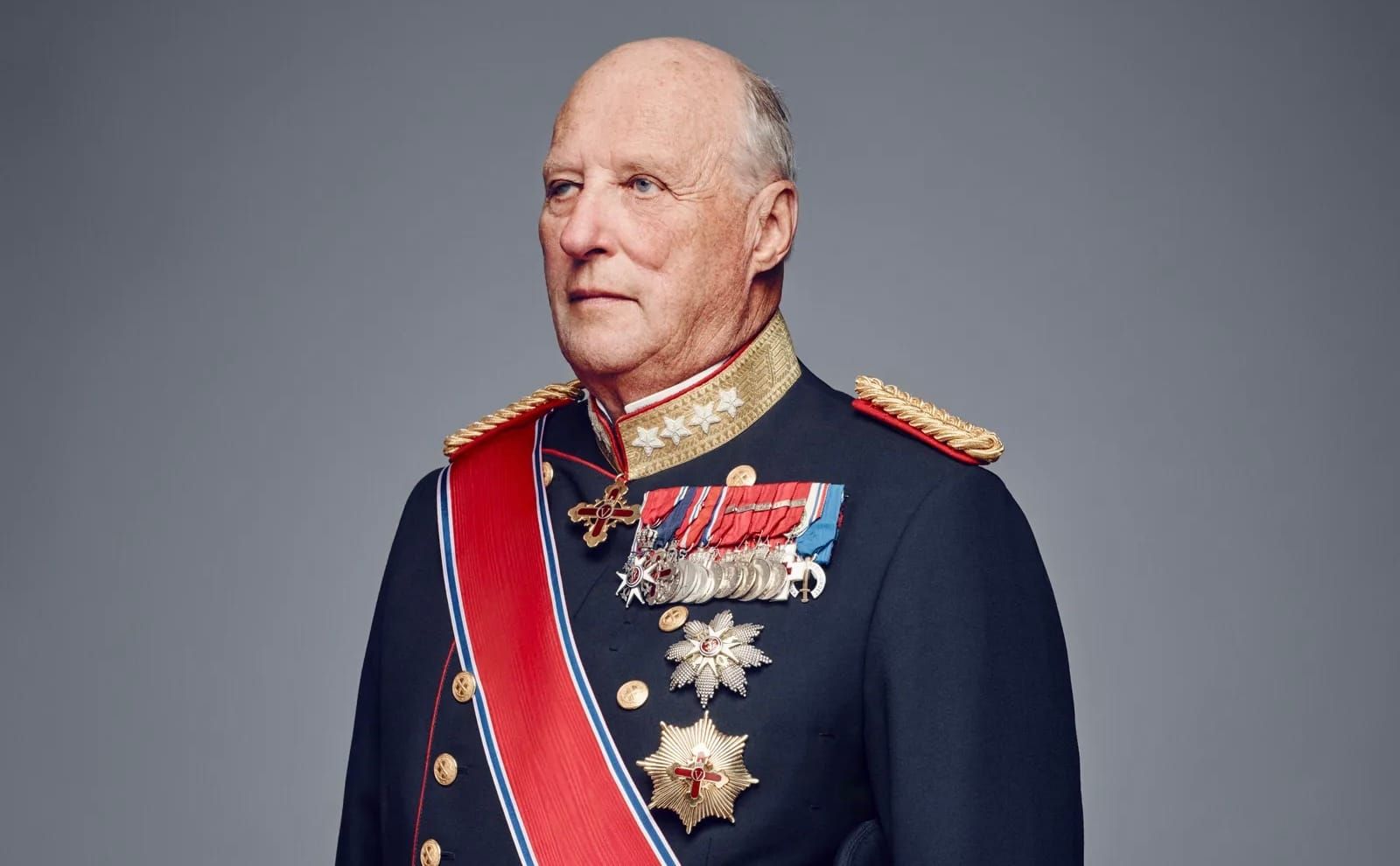
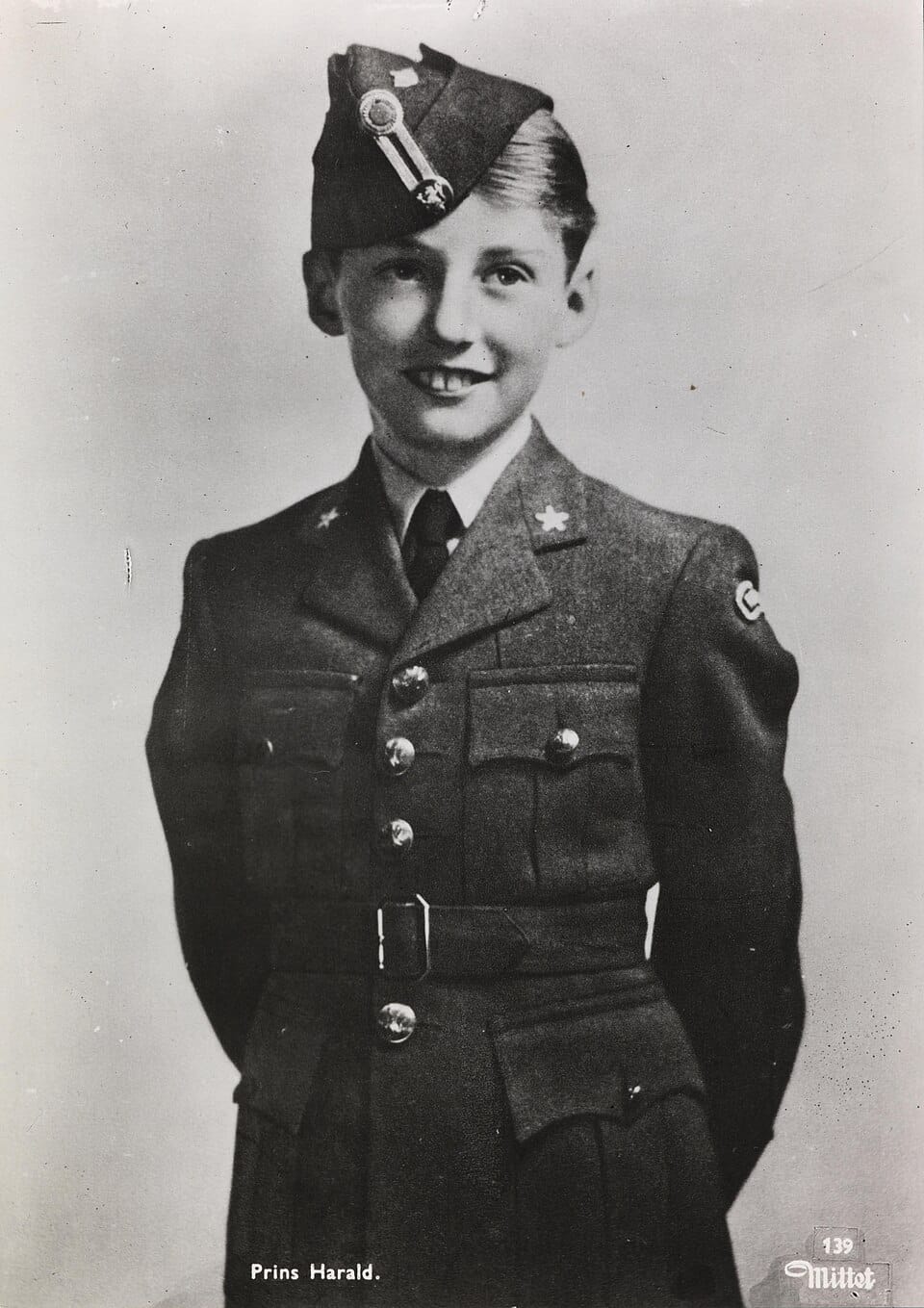
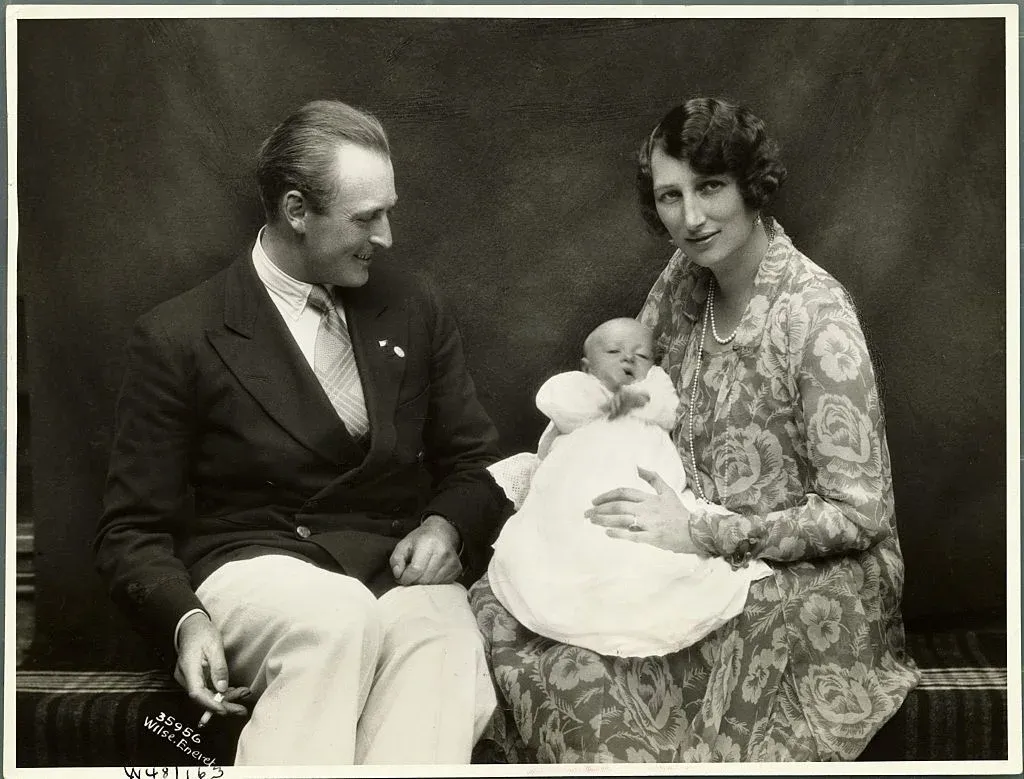
He was, in a detail Norwegians never tired of, the first king born on Norwegian soil in some 600 years — a fact that made him feel less like an inherited institution than one of their own. His father and grandfather had been imported from Denmark. Harald was born at the royal estate in 1937, fled the country as a small child when the Nazis invaded, and returned after the war to grow up among the people he would one day represent.
He never held real power; Norwegian kings haven’t for generations. What he had instead was presence. When disaster struck — a landslide, a massacre, a grief too large for politicians to hold — Harald showed up, stood with survivors, and said the plain thing that needed saying. His most famous words came in 2016, when, in a garden speech about who counts as Norwegian, he declared that Norwegians are girls who love girls and boys who love boys, that they come from every country and believe in every God or none. A ceremonial monarch had quietly become the nation’s conscience.
His reign carried private strain into its final years. His daughter-in-law, Crown Princess Mette-Marit, has faced scrutiny over a past association with Jeffrey Epstein, and her son Marius Borg Høiby was convicted this summer of rape and domestic violence — a scandal that shadowed the palace even as the king’s own health failed. Harald spent his last decade in and out of hospitals, from an infection that stranded him in Malaysia to the rare blood disorder that finally took him, yet he refused every suggestion that he step aside. His oath, he said more than once, was for life.
That popularity never really wavered. In polling this year he remained the royal Norwegians trusted most, rating him better than nine out of ten. He is succeeded by his only son, who took the throne Friday as King Haakon VIII and kept the family motto that has held for four generations: everything for Norway.
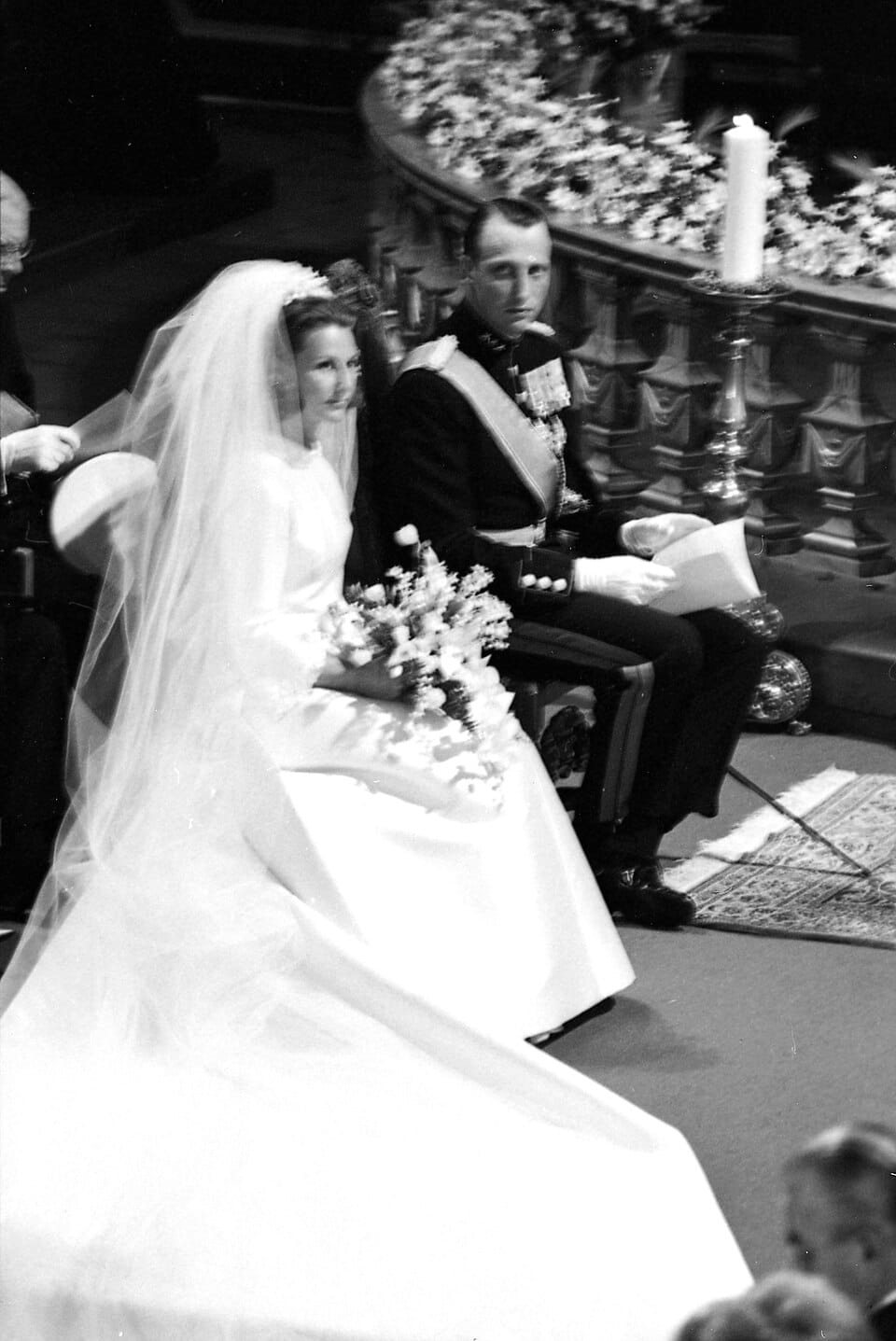
King Harald is survived by his wife, Queen Sonja, whom he married in 1968 after a nine-year courtship the establishment resisted because she was a commoner; their two children; and a country that, by every measure it had, loved him back.
Comments