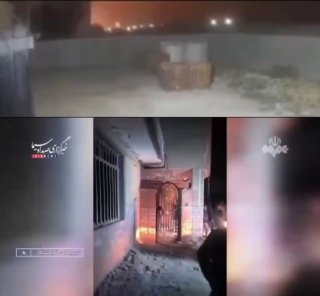
A child on his way to a wedding heard fighter jets before he reached the venue. What happened next, in the village of Kuhestak in southern Iran, has become the defining image of the war’s latest flare-up: a house full of guests, then shrapnel, then screaming captured on video that Iran’s own government pushed out to the world.
What happened
US missiles struck the area around Kuhestak, in Sirik County of Hormozgan province, late Tuesday into Wednesday. The Iranian Red Crescent said shrapnel from the attack hit a residential home where a wedding celebration was underway. Iran’s foreign ministry spokesman, Esmaeil Baghaei, called the strike brutal and said it hit a residential house.

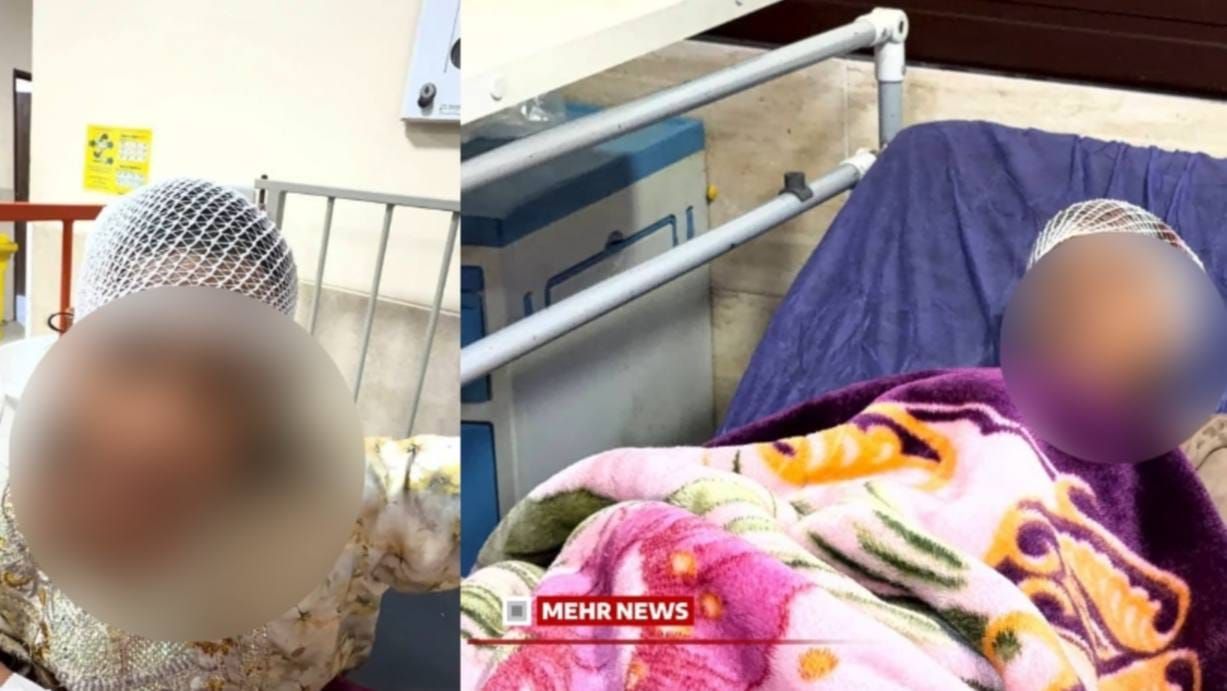
The casualty count has climbed all day, which is itself worth noting. Hormozgan’s deputy governor, Ahmad Nafisi, first told state television two people had been killed and around 50 hurt. The Red Crescent then put it at four dead, including a child, with more than 50 wounded. Press TV and the foreign ministry later said five. The governor of Sirik County, Reza Shahidiyan, told state broadcaster IRIB that at least 63 were wounded, 50 of them women and children, all taken to hospital in nearby Minab and in stable condition. Xinhua, citing Fars, reported a lower figure of two dead and 20 hurt.
Asked about the incident, CENTCOM spokesman Capt. Tim Hawkins said: “We’re aware of the reports, which originated from Iranian state media. The U.S. military never targets civilians, unlike the IRGC.”
Why Sirik
The location is not incidental. Sirik County sits along the Strait of Hormuz, the chokepoint through which roughly a fifth of the world’s oil normally passes, and which both sides have spent six months fighting over. The same night’s strikes hit a fishmeal factory on Qeshm Island, a fishing pier, a Ports and Maritime Organization tower in Sirik, parts of Hormozgan’s power grid, and the civilian Jiroft Airport in Kerman province, where Iranian state TV said a projectile landed outside the runway without causing damage.
Central Command described its targets differently: air defense sites, radar systems and maritime assets belonging to the Revolutionary Guard. It said the strikes answered recent attempted attacks on commercial shipping in the strait and on American service members in the region. Hawkins’s response points at the source of the claim rather than the claim itself — a distinction that matters, because targeting and effect are separate questions. A strike aimed at military infrastructure can still put shrapnel through a house down the road. Sirik is a dense coastal county where that infrastructure and the people who live around it occupy the same few kilometres.
The wider moment
Tuesday’s exchange followed strikes on Sunday that ended a month of quiet and threatened to reignite a conflict now in its seventh month. Trump warned on social media that if Iran retaliated for what he called a justified attack, it would be hit far harder, and that the biggest attack of all was still waiting. Iran fired missiles and drones across the region in response.
The renewed fighting has pushed global oil prices up and created political trouble for Republicans heading into November’s midterms. It also came after Trump appeared to have shifted toward squeezing Iran through sanctions rather than bombs — a pivot that lasted weeks.
The pattern
Wedding strikes carry their own weight in this part of the world, and both sides know it. A US airstrike hit a wedding party in Deh Rawood, Afghanistan, in 2002; American and Afghan investigators came away disputing even the basic count of dead. A Saudi-led coalition strike hit a wedding in Yemen’s Hajjah governorate, killing mostly women and children. A French strike on a gathering in Bounti, Mali, in 2021 was described by Paris as hitting jihadists; a UN investigation later found 19 of the 22 dead were civilians at a wedding.
The pattern in each case is the same: a claimed military target, a contested casualty count, official silence from the striking power, and video from the ground that reaches the world before any investigation does. Kuhestak is now on that list. What it will take to establish what actually happened there — who was in the house, what was being aimed at, whether the shrapnel came from the strike Iran says it did — is the kind of accounting that historically takes years, if it happens at all.
Comments